Watercolor Fruits. Patterns, Cliparts for Crafts
As a brand designer with years of experience in small business branding, I’ve come across countless graphic design assets. Watercolor Fruits. Patterns, Cliparts stands out as a versatile and visually appealing option for local businesses looking to elevate their visual identity. This collection offers a soft, handcrafted feel that can be adapted to a wide range of applications, from product packaging to social media graphics.
The Mood and Personality of Watercolor Fruits
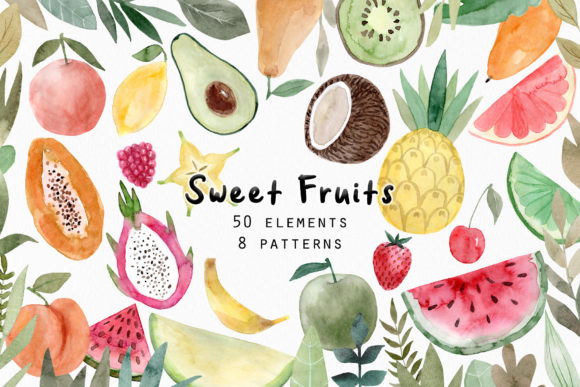
Watercolor Fruits. Patterns, Cliparts exudes a warm, inviting, and organic vibe. The delicate brushstrokes and gentle color gradients suggest a handmade, artisanal approach—perfect for businesses that want to communicate authenticity and care. It feels more like a personal touch than a generic design, which makes it ideal for boutique stores, food brands, and creative entrepreneurs who value individuality.
This asset leans toward a feminine and playful aesthetic, but it also has a modern edge that can work with more minimalist or rustic branding. Whether used in a coffee shop, skincare line, or children’s product, the watercolor style adds a sense of warmth and approachability.
Real-World Applications for Small Business Branding
For a local bakery or café, Watercolor Fruits. Patterns, Cliparts could be used in logo design, menu graphics, or even as a background for social media posts. Its soft, decorative nature complements food-related branding without overwhelming the message. For a handmade soap or candle business, this design asset can enhance product labels, hang tags, and promotional banners, creating a cohesive look that resonates with eco-conscious consumers.
When working on product packaging, this asset can serve as a subtle accent or a central element. It works well on paper bags, gift boxes, or reusable shopping bags, adding a touch of elegance without being too busy. In a seasonal campaign, such as a summer fruit-themed promotion, the watercolor illustrations can be used in flyers, posters, and digital ads to create a unified visual language.
Supporting Business Presentation and Brand Identity
Using Watercolor Fruits. Patterns, Cliparts can significantly enhance a small business's first impression. A well-designed package or marketing material can make a customer pause and take notice. This design asset helps build stronger product recognition by offering a unique visual signature that stands out on shelves or in online marketplaces.
It also supports clearer visual hierarchy. When used strategically, the illustrations can guide the viewer’s eye toward key information, such as product names or pricing. This is especially useful for businesses with limited space on labels or packaging.
For a local business, consistent brand identity is crucial. Watercolor Fruits. Patterns, Cliparts can help maintain that consistency across multiple touchpoints—whether it's a website banner, a social media post, or a printed flyer. This creates a more polished and professional appearance, which in turn builds customer trust.
Where Watercolor Fruits Shines in Design
This graphic design asset excels in areas where visual appeal and storytelling matter most. Product labels, for instance, can benefit from its soft, artistic elements, making the product feel more special and memorable. It also works well as a hero graphic on a website or as a decorative element in editorial design.
For a boutique store or a handmade business, Watercolor Fruits. Patterns, Cliparts can be used in printable design templates, such as thank-you cards or stickers, to add a personal touch to customer interactions. Seasonal packaging, like holiday gift boxes or summer promotions, can also leverage this asset to create a fresh and timely look.
Where to Use It with Caution
While Watercolor Fruits. Patterns, Cliparts is highly versatile, it may not be the best fit for every project. In formal corporate branding, where minimalism and clarity are key, this design could feel too ornate or distracting. Similarly, on very small product labels, the details might get lost or become illegible.
It’s also important to avoid using this asset in crowded layouts where there’s a lot of text or other design elements. In such cases, the watercolor illustrations may compete with essential information, leading to a cluttered and unprofessional look.
Practical Designer Notes for Real Projects
Before finalizing any design, I always recommend testing Watercolor Fruits. Patterns, Cliparts on real packaging mockups. This helps visualize how the design will look when printed and whether it aligns with the brand’s overall aesthetic.
Black and white usage is another consideration. While the asset is vibrant in color, it should still hold up when converted to grayscale. Previewing it on small labels ensures that the details remain visible without being overwhelming.
Testing the design with different font styles—serif, sans serif, script, or handwritten—can reveal how well it integrates with the brand’s typography. It’s also wise to check the commercial license before using it for client work or physical product sales, ensuring there are no legal issues down the line.
Finally, inspecting the file formats—such as PNG transparency or SVG editability—is essential for flexibility in future design projects. These details can make a big difference in how the asset is used across different platforms and mediums.
Conclusion: A Valuable Addition to Local Business Design
Watercolor Fruits. Patterns, Cliparts is a powerful tool for small business branding, especially for local, handmade, or creative ventures. Its soft, artistic style can enhance product packaging, marketing visuals, and social media presence, helping businesses stand out in a competitive market.
Whether you're designing for a bakery, a skincare brand, or a seasonal product campaign, this asset offers a natural and expressive way to communicate your brand’s personality. With thoughtful application and careful consideration of its limitations, Watercolor Fruits. Patterns, Cliparts can become a cornerstone of your design strategy.