Watercolor Safari Animals Clipart: A Designer's Review
As someone who spends more time staring at stitch maps than most people care to admit, I approach new design assets with a healthy dose of skepticism. We have all been there: you download a file that looks stunning on the screen, only to find it turns into a bird's nest of thread once the machine starts humming. That is why I took a close look at the Watercolor Safari Animals Clipart collection before committing it to any client work. This isn't just about whether the lion looks cute; it is about whether that lion survives the transition from a digital embroidery file to a tangible, washable handmade product.
The First Impression: Mood and Visual Personality
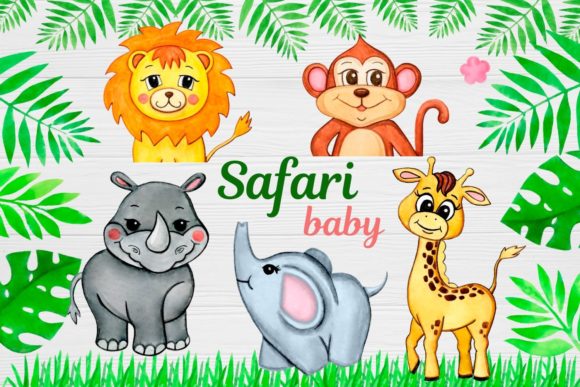
When I first opened the preview files for Watercolor Safari Animals Clipart, the immediate takeaway was the softness. In the world of machine embroidery design, we often deal with hard edges, dense fills, and rigid outlines. This collection, however, leans into a gentler aesthetic. The shapes feel organic, mimicking the bleed of watercolor paint rather than the precision of a vector line. For a designer, this presents both an opportunity and a challenge. The mood is undeniably whimsical and nursery-ready, perfect for projects that need to feel warm and inviting rather than corporate or sharp.
The layout of these animals suggests they were designed with breathing room in mind. They aren't cluttered with unnecessary micro-details that demand high-density stitching. Instead, they rely on broader shapes that translate well to thread. This visual personality tells me immediately that these designs belong on items where comfort and texture are paramount. They scream "baby shower gift" or "boutique children's wear" rather than "sports team logo."
Real-World Application: The Tote Bag Test
To truly evaluate the potential of Watercolor Safari Animals Clipart, I mentally walked through a recent request I received for a custom order. A local boutique owner wanted a series of canvas tote bag design options for their spring collection, specifically targeting parents looking for eco-friendly shopping bags. The brief called for something playful but sophisticated enough to not look like a cheap party favor.
This is where the clipart shines. If I were to digitize or use a pre-made embroidery project based on these watercolor styles for a tote, the result would likely be charming. The softer edges of a watercolor style animal, perhaps a giraffe or an elephant, stitched onto natural canvas using a mix of satin stitch borders and lighter fill stitch interiors, would create a lovely textured effect. It avoids the "plastic" look that sometimes happens when designs are too dense. For an Etsy seller or small shop product creator, this kind of aesthetic adds perceived value. It feels curated and artistic, which allows for a higher price point compared to generic clip art.
However, the real test is always the finished product. Would the customer love it? Absolutely. The theme is timeless; safari animals never really go out of style in the juvenile market. But would it hold up? That depends entirely on how the design is handled during the stitching phase.
Navigating Fabric and Stitch Challenges
Here is the practical reality check that every craft business owner needs to hear. While Watercolor Safari Animals Clipart looks beautiful, its success relies heavily on fabric choice and stabilization. Watercolor effects in embroidery often rely on blending thread colors or using specific stitch angles to mimic paint strokes. If you attempt this on a highly textured fabric like a thick wool sweater or a looped terry cloth towel, those subtle details will get lost. The fabric texture will eat the definition.
For the best results, I recommend sticking to smooth, stable fabrics. Cotton twill, broadcloth, or high-quality jersey knits (with the right stabilizer) are your friends here. If you are attempting sweatshirt embroidery, ensure the garment isn't too fuzzy, or the soft edges of the watercolor design will blur into the fleece. Similarly, be cautious with dark fabrics. Watercolor palettes are often pastel or muted. If the thread colors do not have enough contrast against a navy or black background, the design will vanish. Always run a test on scrap fabric first. Check the stitch density; if the design is too light, it might look sparse on dark material, requiring an underlay adjustment or a different thread weight.
Another critical consideration is the hoop size. Some of these animals might have elongated parts, like a giraffe's neck or an elephant's trunk. Ensure your hoop can accommodate the full height without needing to re-hoop, which can lead to registration errors. Also, think about curved surfaces. Placing a detailed watercolor-style design on the front of a cap is risky. The curvature can distort the perspective of the animal, making the watercolor effect look warped rather than intentional.
Commercial Viability and Brand Consistency
For those of us selling custom apparel or personalized gifts, consistency is key. If you build a brand around high-end, handcrafted goods, the quality of your digital embroidery file directly impacts customer trust. Using Watercolor Safari Animals Clipart effectively can elevate your brand identity, signaling that you pay attention to trends and aesthetics. However, you must verify the licensing terms. Just because a file is labeled as "clipart" does not automatically grant commercial rights for physical goods. Before listing these on your Etsy shop or using them for commercial embroidery clients, confirm that the license covers finished physical products.
Furthermore, consider the washing instructions you provide to your customers. Designs that mimic watercolor often use varied stitch directions to create depth. Aggressive washing can cause puckering if the stabilizer wasn't cut away properly or if the stitch count was too high for the fabric weight. Educating your buyer on how to care for their baby embroidery item or holiday embroidery gift ensures the product lasts, leading to better reviews and repeat business.
Final Verdict for Designers and Makers
In conclusion, Watercolor Safari Animals Clipart offers a delightful entry point for creators looking to soften their portfolio. It fits naturally into the Crafts category, bridging the gap between digital art and tactile textile work. It is ideal for nursery decor, embroidered patch creation, and light-duty appliqué design work where the focus is on charm rather than durability under extreme conditions.
My advice is simple: treat these designs with the respect they deserve. Do not just dump them onto any old garment. Select your thread colors carefully to maintain the watercolor illusion. Use a high-quality tear-away or cut-away stabilizer depending on the fabric stretch. Test your running stitch outlines to ensure they don't gap. When used thoughtfully, these designs can transform a standard tote bag or onesie into a cherished keepsake. But remember, the magic isn't just in the download; it is in the execution. Take the time to prep your machine, choose your materials wisely, and always prioritize the longevity of the finished product over speed. That is the difference between a hobbyist and a professional.